Exploring the Historic Guangzhou Trade Routes: Connecting Asia, Europe, China, Africa, and the Silk Road
Category : miscellaneous | Sub Category : miscellaneous Posted on 2023-10-30 21:24:53
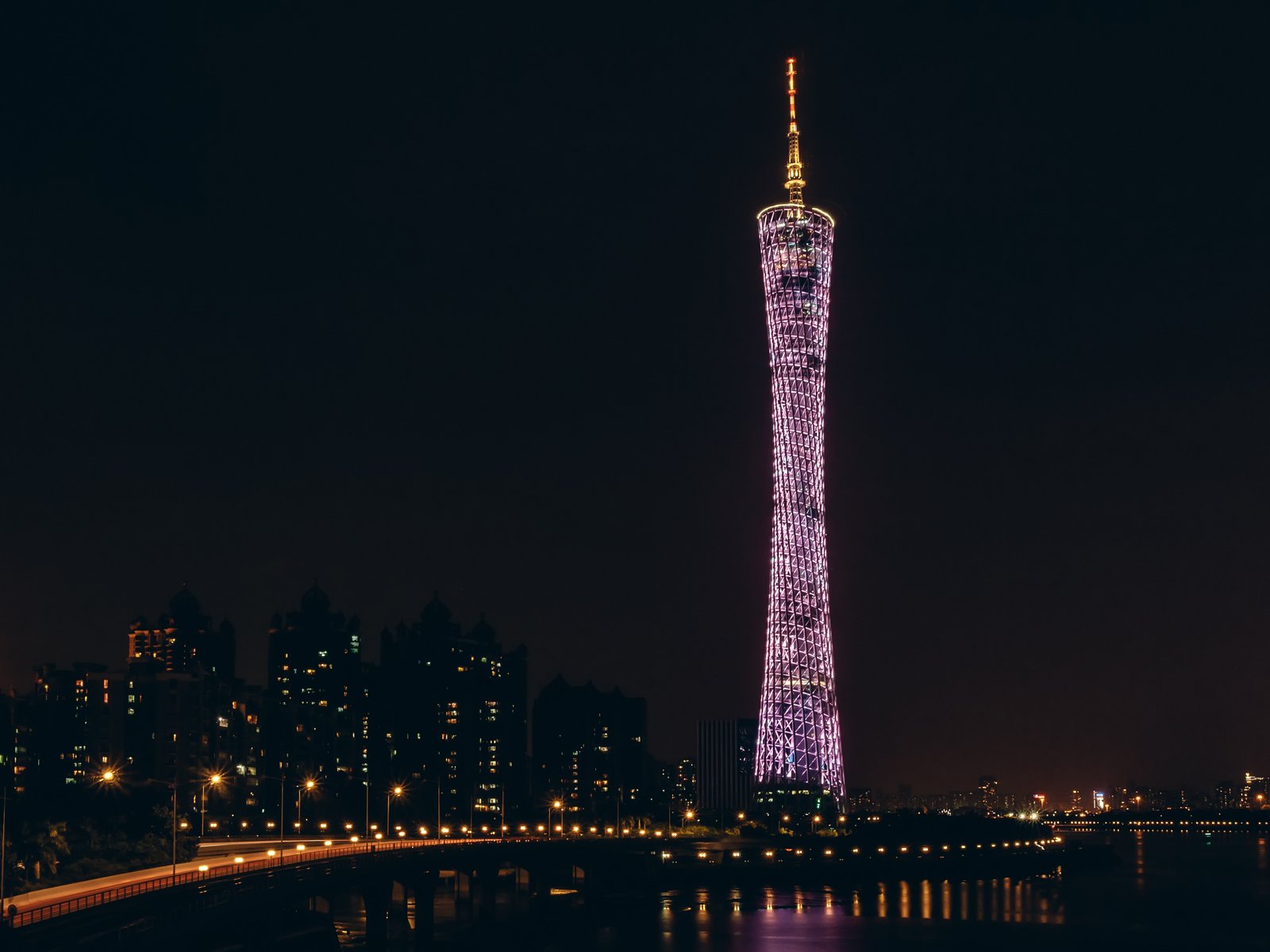
Introduction: The city of Guangzhou, located in southern China, has a rich history as a prominent center of trade and commerce. Over the centuries, it has played a vital role in connecting various trade routes, facilitating the exchange of goods, ideas, and cultures between Asia, Europe, China, Africa, and the legendary Silk Road. In this blog post, we will delve into the fascinating world of Guangzhou's trade routes and their impact on global trade. Silk Road and Guangzhou's Position: The Silk Road, a network of ancient trade routes, was the lifeline of Eurasian commerce for centuries. Extending from China to Europe, it facilitated the exchange of silk, spices, precious metals, and ideas between the East and West. Guangzhou, situated on the southern coast of China, became a crucial starting point for ships traveling along the maritime branch of the Silk Road, also known as the Maritime Silk Road. Asia-Europe Trade: Guangzhou's strategic location made it an ideal hub for Asian and European traders. Attracted by the city's flourishing economy, merchants from various Asian countries, such as India, the Malay Archipelago, and Persia, flocked to Guangzhou to access lucrative European markets. Spices, tea, porcelain, and silk were among the highly sought-after commodities traded along this route. China-Africa Trade: The Guangzhou trade routes also opened doors to trade between China and Africa. The arrival of Chinese traders in Africa can be traced back to the 15th century, and their cooperation with African merchants and rulers led to a vibrant exchange of goods and ideas. Guangzhou emerged as a significant center for Chinese-African trade, with products like textiles, ceramics, and agricultural goods being traded for African resources such as gold, ivory, and various raw materials. Guangzhou's Importance in Global Trade: Guangzhou's trade routes not only facilitated the exchange of goods but also nurtured cultural and intellectual exchanges. Ideas, technologies, and artistic influences traveled along these routes, influencing the development of societies on multiple continents. The city became an important melting pot of cultures, religions, and languages, making it a cosmopolitan hub of global trade. The Modern Influence: In recent years, Guangzhou has regained its prominence as an economic powerhouse. The city's trade routes have evolved with the advent of globalization and technological advancements. Today, Guangzhou is famous for its wholesale markets, where international traders from around the world gather to source products ranging from electronics and textiles to auto parts and household items. The Guangzhou International Fair, held twice a year, attracts businesses of all sizes, further solidifying the city's status as a global trading hub. Conclusion: The historic Guangzhou trade routes have left an indelible mark on the landscape of global trade. Connecting Asia, Europe, China, Africa, and the Silk Road, these routes played a vital role in shaping the world as we know it today. From the exchange of silk and spices to the blending of cultures and ideas, Guangzhou continues to be a beacon of international trade and a testament to the power of commerce in fostering connections between nations. For an in-depth analysis, I recommend reading http://www.afrospaces.com Check the link: http://www.soitsyou.com For more information about this: http://www.apapapers.com
Leave a Comment:
SEARCH
Recent News
- Zurich, Switzerland, and Shanghai, China, are two cities known for their bustling business environments and thriving economies. In Zurich, there are several top companies that play a significant role in shaping the city's status as a global financial hub. Likewise, Shanghai is home to a number of prominent companies that contribute to its reputation as a leading business and financial center in Asia.
- Zurich, Switzerland, and Shanghai, China, are two cities known for their vibrant startup scenes. Both cities have established themselves as important hubs for innovation and entrepreneurship, attracting talented individuals and investors from around the world.
- Zurich, Switzerland and Shanghai, China are two vastly different cities, each with its own unique charm and appeal. While Zurich is known for its picturesque landscapes, high standard of living, and thriving financial sector, Shanghai is a bustling metropolis with a rapidly growing economy and a vibrant real estate market.
- Zurich, Switzerland vs. Shanghai Labor Market: A Comparison
- Zurich, Switzerland is a picturesque city known for its beautiful architecture, vibrant cultural scene, and high quality of life. On the other hand, Shanghai, China is a bustling metropolis that serves as a major financial and business hub in Asia. Let's explore how these two cities compare in terms of business opportunities and what makes them unique in their own ways.
- Zurich, Switzerland is known for its efficient and reliable transportation infrastructure, making it an ideal location for implementing automated shipping technologies. With its advanced logistics network and focus on innovation, Zurich is at the forefront of the automated shipping industry.
- Exposing Shanghai's Top Companies: YouTube Content Creation and Translation
- In the bustling city of Shanghai, startups are thriving and the content creation scene on YouTube is flourishing. As more and more entrepreneurs and creators flock to this dynamic city, they are tapping into the power of YouTube to reach a global audience. One key strategy that many of these startups are adopting is translating their content to reach an even broader and more diverse audience.
READ MORE
11 months ago Category : miscellaneous

Zurich, Switzerland, and Shanghai, China, are two cities known for their bustling business environments and thriving economies. In Zurich, there are several top companies that play a significant role in shaping the city's status as a global financial hub. Likewise, Shanghai is home to a number of prominent companies that contribute to its reputation as a leading business and financial center in Asia.
Read More →11 months ago Category : miscellaneous

Zurich, Switzerland, and Shanghai, China, are two cities known for their vibrant startup scenes. Both cities have established themselves as important hubs for innovation and entrepreneurship, attracting talented individuals and investors from around the world.
Read More →11 months ago Category : miscellaneous

Zurich, Switzerland and Shanghai, China are two vastly different cities, each with its own unique charm and appeal. While Zurich is known for its picturesque landscapes, high standard of living, and thriving financial sector, Shanghai is a bustling metropolis with a rapidly growing economy and a vibrant real estate market.
Read More →11 months ago Category : miscellaneous
