Navigating the Guangzhou Port: A Close Look at Infrastructure, Docks, Piers, Rail Connections, and Road Access
Category : miscellaneous | Sub Category : miscellaneous Posted on 2023-10-30 21:24:53
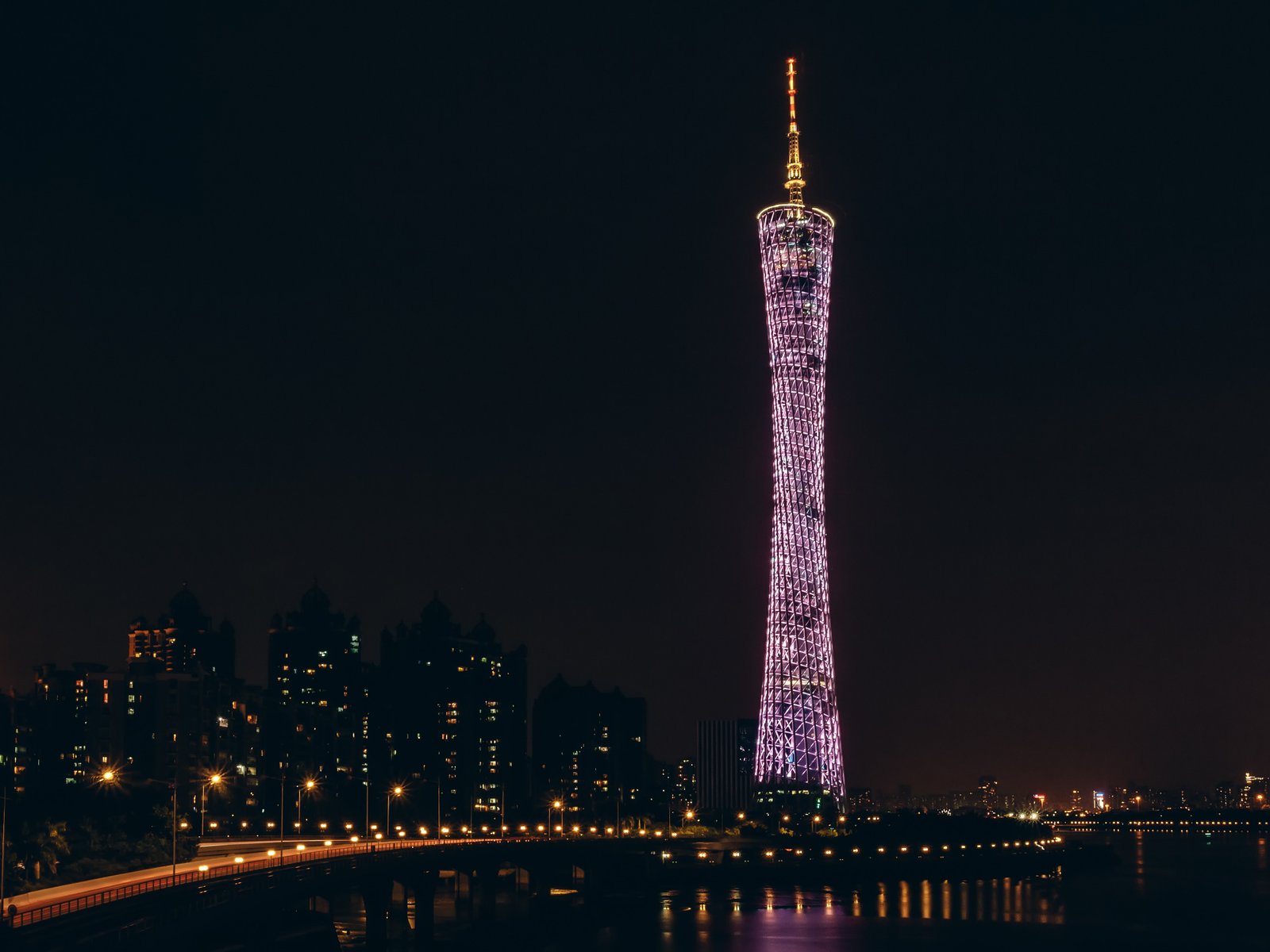
Introduction: As one of the busiest ports in the world, the Guangzhou Port plays a pivotal role in China's maritime trade. Located in the Pearl River Delta, this large port complex boasts state-of-the-art infrastructure, efficient docking facilities, well-developed piers, and an extensive network of rail connections and road access. In this blog post, we will explore the various aspects of the Guangzhou Port, focusing on how its GPS navigation system helps ensure smooth operations and facilitate seamless movement of goods. 1. The importance of infrastructure: The Guangzhou Port's success can be attributed to its well-established infrastructure. The port's facilities are designed to handle large volumes of cargo, accommodating vessels of different sizes. To efficiently manage the port's operations, a modern GPS navigation system is implemented to provide real-time data on vessel positioning, route optimization, and avoiding congested areas. This technology helps prevent delays and enhances overall efficiency. 2. Docks and piers for seamless operations: The port's dock system plays a vital role in efficiently handling various types of cargo. Specialized docks cater to specific needs such as container terminals, bulk cargo handling, and passenger terminals. Advanced GPS navigation systems ensure that vessels can navigate safely within the docks and efficiently berth at the assigned locations. Furthermore, the piers at the port are equipped with necessary infrastructure to facilitate the loading and unloading of goods, ensuring smooth operations. 3. Rail connections for multimodal transportation: The Guangzhou Port's strategic location enables it to connect seamlessly with the extensive rail network in China. A well-developed railway system links the port to major industrial hubs, cities, and economic zones. The integration of GPS technology within this rail network allows for accurate tracking of cargo movement, helping logistics companies optimize their supply chains. Additionally, efficient connectivity between the port and the rail network reduces transportation costs and promotes sustainable logistics practices. 4. Road access for efficient distribution: The Guangzhou Port's road access plays a crucial role in the efficient distribution of goods. The port is well-connected to China's extensive highway network, allowing for smooth transportation of cargo to and from the hinterland. GPS navigation systems assist truck drivers in choosing the most optimal routes, avoiding traffic congestions, and ensuring timely deliveries. This seamless road access facilitates the movement of goods, proving the port's efficiency as a major trade hub. Conclusion: The Guangzhou Port stands as a testament to China's commitment to developing world-class maritime infrastructure. Its well-designed infrastructure, efficient docks and piers, robust rail connections, and seamless road access make it a favored choice for international traders and logistics companies. The incorporation of GPS navigation systems throughout the port complex ensures smooth operations, reduces delays, and enhances overall efficiency. As global trade continues to grow, the Guangzhou Port is well-prepared to meet the increasing demands of the shipping industry.
Leave a Comment:
SEARCH
Recent News
- Zurich, Switzerland, and Shanghai, China, are two cities known for their bustling business environments and thriving economies. In Zurich, there are several top companies that play a significant role in shaping the city's status as a global financial hub. Likewise, Shanghai is home to a number of prominent companies that contribute to its reputation as a leading business and financial center in Asia.
- Zurich, Switzerland, and Shanghai, China, are two cities known for their vibrant startup scenes. Both cities have established themselves as important hubs for innovation and entrepreneurship, attracting talented individuals and investors from around the world.
- Zurich, Switzerland and Shanghai, China are two vastly different cities, each with its own unique charm and appeal. While Zurich is known for its picturesque landscapes, high standard of living, and thriving financial sector, Shanghai is a bustling metropolis with a rapidly growing economy and a vibrant real estate market.
- Zurich, Switzerland vs. Shanghai Labor Market: A Comparison
- Zurich, Switzerland is a picturesque city known for its beautiful architecture, vibrant cultural scene, and high quality of life. On the other hand, Shanghai, China is a bustling metropolis that serves as a major financial and business hub in Asia. Let's explore how these two cities compare in terms of business opportunities and what makes them unique in their own ways.
- Zurich, Switzerland is known for its efficient and reliable transportation infrastructure, making it an ideal location for implementing automated shipping technologies. With its advanced logistics network and focus on innovation, Zurich is at the forefront of the automated shipping industry.
- Exposing Shanghai's Top Companies: YouTube Content Creation and Translation
- In the bustling city of Shanghai, startups are thriving and the content creation scene on YouTube is flourishing. As more and more entrepreneurs and creators flock to this dynamic city, they are tapping into the power of YouTube to reach a global audience. One key strategy that many of these startups are adopting is translating their content to reach an even broader and more diverse audience.
READ MORE
11 months ago Category : miscellaneous

Zurich, Switzerland, and Shanghai, China, are two cities known for their bustling business environments and thriving economies. In Zurich, there are several top companies that play a significant role in shaping the city's status as a global financial hub. Likewise, Shanghai is home to a number of prominent companies that contribute to its reputation as a leading business and financial center in Asia.
Read More →11 months ago Category : miscellaneous

Zurich, Switzerland, and Shanghai, China, are two cities known for their vibrant startup scenes. Both cities have established themselves as important hubs for innovation and entrepreneurship, attracting talented individuals and investors from around the world.
Read More →11 months ago Category : miscellaneous

Zurich, Switzerland and Shanghai, China are two vastly different cities, each with its own unique charm and appeal. While Zurich is known for its picturesque landscapes, high standard of living, and thriving financial sector, Shanghai is a bustling metropolis with a rapidly growing economy and a vibrant real estate market.
Read More →11 months ago Category : miscellaneous
