Promoting Healthy Eating Habits with Guangzhou's Child Nutrition Guidelines
Category : miscellaneous | Sub Category : miscellaneous Posted on 2023-10-30 21:24:53
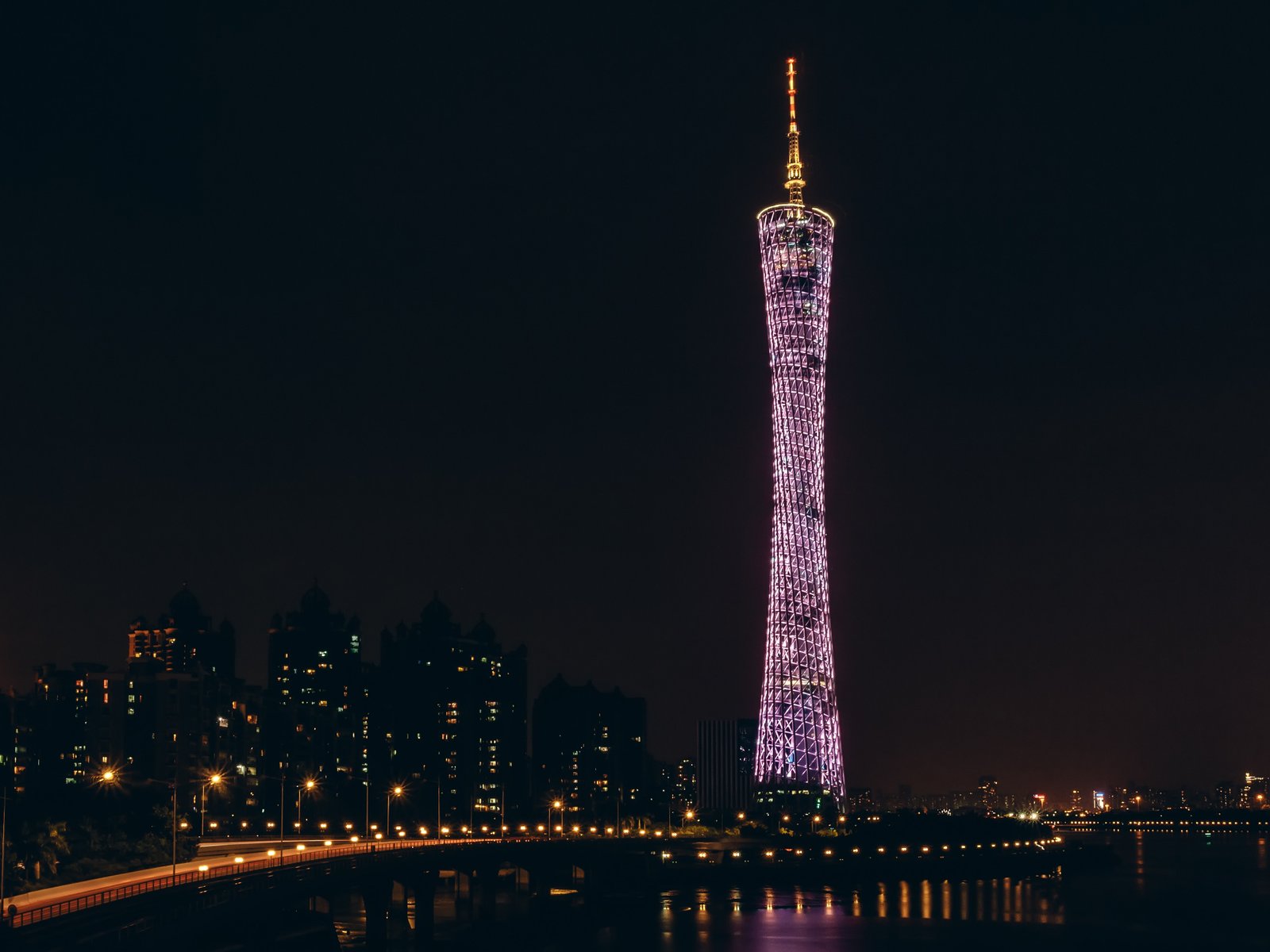
Introduction: Maintaining a well-balanced diet is essential for children's overall growth and development. In Guangzhou, China, the government has taken significant steps to prioritize child nutrition through the introduction of comprehensive guidelines. These guidelines aim to enhance the health and well-being of children, ensuring they receive the essential nutrients they need to thrive. In this blog post, we will explore the significance of Guangzhou's child nutrition guidelines and how they are shaping the dietary landscape for children and families. 1. Understanding Guangzhou's Child Nutrition Guidelines: Guangzhou's child nutrition guidelines provide a framework for parents, caregivers, and schools to establish and maintain healthy eating patterns for children. These guidelines are based on scientific research and are designed to address the specific nutritional needs of children at different stages of growth. With a focus on balanced diets, portion sizes, and meal planning, the guidelines provide valuable information to foster optimal nutrition for children in Guangzhou. 2. The Importance of Balanced Diets: One of the core principles of Guangzhou's child nutrition guidelines is the emphasis on balanced diets. Children need a variety of nutrients, including carbohydrates, proteins, fats, vitamins, and minerals, to support their growth and development. The guidelines offer recommendations on the appropriate proportions of these nutrients, ensuring that children receive a diverse range of foods to meet their nutritional requirements. 3. Portion Sizes and Meal Planning: Appropriate portion sizes play a vital role in maintaining a healthy weight and preventing the risk of childhood obesity. Guangzhou's child nutrition guidelines provide guidelines regarding the size of different food groups, helping parents and caregivers understand how much food is appropriate for their child's age and activity level. Additionally, the guidelines offer practical tips on meal planning, encouraging families to incorporate a variety of foods throughout the week to maximize nutrient intake. 4. Collaboration with Schools and Institutions: To promote healthy eating habits beyond the home, Guangzhou's child nutrition guidelines also focus on collaboration with schools and institutions. Schools are encouraged to incorporate nutrition education into their curriculum, implement healthy food options in canteens, and restrict the availability of unhealthy food and beverages. By fostering a supportive and nurturing food environment, these guidelines aim to create a culture of wellness and healthy eating among children. 5. Resources and Support for Parents: Recognizing that parents play a crucial role in shaping their child's dietary habits, Guangzhou's child nutrition guidelines offer resources and support to parents and caregivers. These resources include recipe suggestions, meal planning tips, and information about local food options. By empowering parents with knowledge and tools, the guidelines aim to make it easier for families to adopt and maintain healthy eating habits. Conclusion: Guangzhou's child nutrition guidelines mark a significant step towards prioritizing the health and well-being of children. By emphasizing the importance of balanced diets, portion sizes, and collaboration with schools, these guidelines are laying the foundations for a healthier future for Guangzhou's children. With the support and commitment of parents, educators, and policymakers, these guidelines have the potential to shape a generation of children with improved nutrition, setting them up for a lifetime of good health and well-being. For a different take on this issue, see http://www.tinyfed.com If you are enthusiast, check this out http://www.childnut.com
Leave a Comment:
SEARCH
Recent News
- Zurich, Switzerland, and Shanghai, China, are two cities known for their bustling business environments and thriving economies. In Zurich, there are several top companies that play a significant role in shaping the city's status as a global financial hub. Likewise, Shanghai is home to a number of prominent companies that contribute to its reputation as a leading business and financial center in Asia.
- Zurich, Switzerland, and Shanghai, China, are two cities known for their vibrant startup scenes. Both cities have established themselves as important hubs for innovation and entrepreneurship, attracting talented individuals and investors from around the world.
- Zurich, Switzerland and Shanghai, China are two vastly different cities, each with its own unique charm and appeal. While Zurich is known for its picturesque landscapes, high standard of living, and thriving financial sector, Shanghai is a bustling metropolis with a rapidly growing economy and a vibrant real estate market.
- Zurich, Switzerland vs. Shanghai Labor Market: A Comparison
- Zurich, Switzerland is a picturesque city known for its beautiful architecture, vibrant cultural scene, and high quality of life. On the other hand, Shanghai, China is a bustling metropolis that serves as a major financial and business hub in Asia. Let's explore how these two cities compare in terms of business opportunities and what makes them unique in their own ways.
- Zurich, Switzerland is known for its efficient and reliable transportation infrastructure, making it an ideal location for implementing automated shipping technologies. With its advanced logistics network and focus on innovation, Zurich is at the forefront of the automated shipping industry.
- Exposing Shanghai's Top Companies: YouTube Content Creation and Translation
- In the bustling city of Shanghai, startups are thriving and the content creation scene on YouTube is flourishing. As more and more entrepreneurs and creators flock to this dynamic city, they are tapping into the power of YouTube to reach a global audience. One key strategy that many of these startups are adopting is translating their content to reach an even broader and more diverse audience.
READ MORE
8 months ago Category : miscellaneous

Zurich, Switzerland, and Shanghai, China, are two cities known for their bustling business environments and thriving economies. In Zurich, there are several top companies that play a significant role in shaping the city's status as a global financial hub. Likewise, Shanghai is home to a number of prominent companies that contribute to its reputation as a leading business and financial center in Asia.
Read More →8 months ago Category : miscellaneous

Zurich, Switzerland, and Shanghai, China, are two cities known for their vibrant startup scenes. Both cities have established themselves as important hubs for innovation and entrepreneurship, attracting talented individuals and investors from around the world.
Read More →8 months ago Category : miscellaneous

Zurich, Switzerland and Shanghai, China are two vastly different cities, each with its own unique charm and appeal. While Zurich is known for its picturesque landscapes, high standard of living, and thriving financial sector, Shanghai is a bustling metropolis with a rapidly growing economy and a vibrant real estate market.
Read More →8 months ago Category : miscellaneous
