Discovering Guangzhou: What Do Cows Eat?
Category : miscellaneous | Sub Category : miscellaneous Posted on 2023-10-30 21:24:53
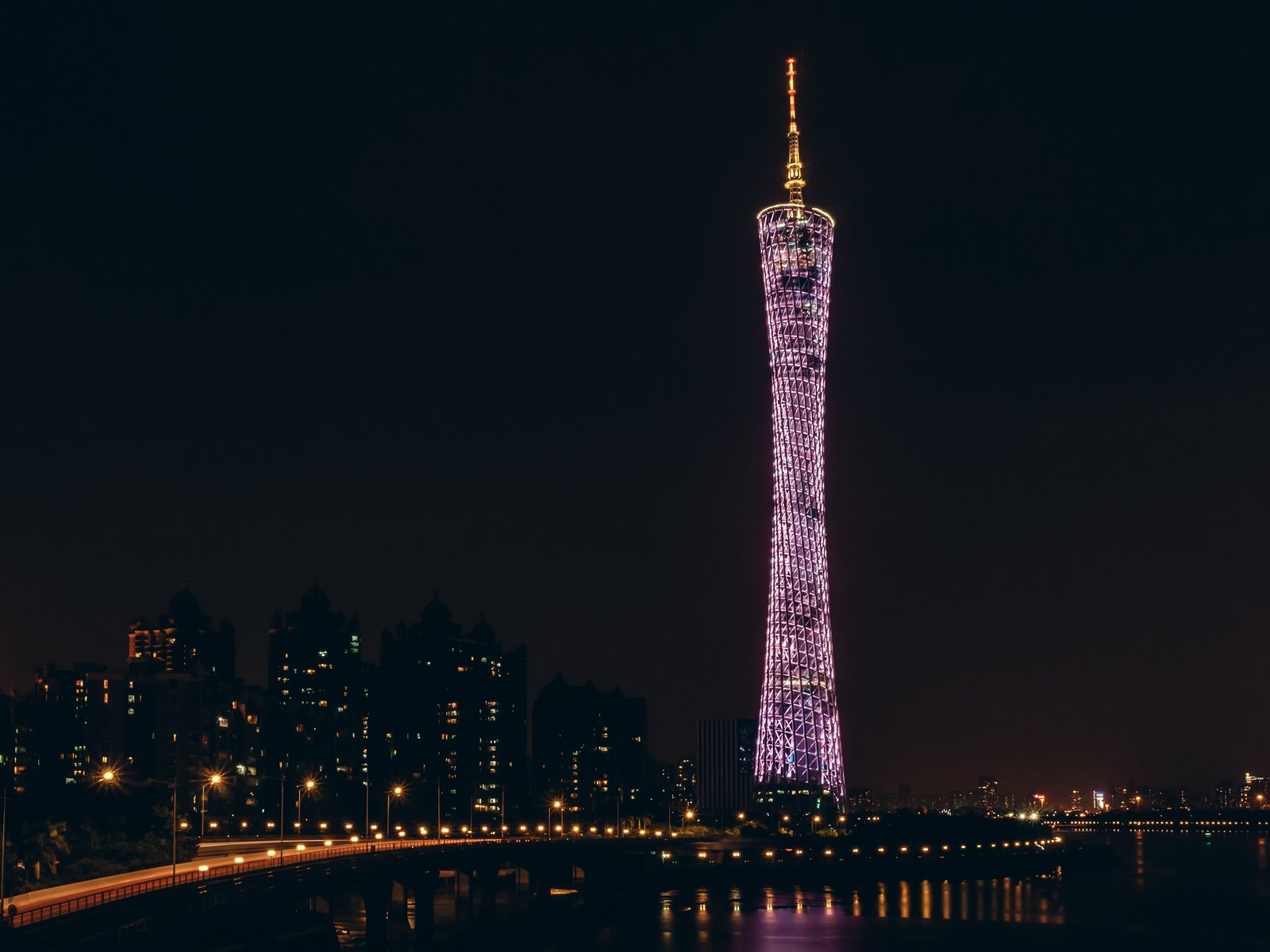
Introduction: When it comes to exploring a city, one might not immediately think of cows and what they eat. However, Guangzhou, the vibrant and culturally rich city in southern China, offers surprising opportunities to learn about local farming practices. In this blog post, we will delve into what cows eat in Guangzhou and explore the important role these animals play in the region's agricultural landscape. 1. The Traditional Diet: Cows in Guangzhou primarily graze on natural grasses found in the surrounding countryside. Guangzhou's favorable climate allows for lush pastures to flourish, providing cows with a rich source of nutrition. This traditional method of feeding cows emphasizes their natural feeding habits, promoting the production of high-quality milk and meat. 2. Rice Straw as a Staple Feed: While grass plays a fundamental role in a cow's diet, rice straw is a crucial component in Guangzhou's cattle farms. As an agricultural hub known for its rice cultivation, Guangzhou has an abundant supply of rice straw. Farmers collect the straw, which remains after harvesting rice, to feed their cows. Rice straw is rich in fiber and can supplement a cow's diet to provide essential nutrients. 3. Silage: A Nutritious Feed Option: Silage, a type of livestock feed made from fermented crops, is gaining popularity in Guangzhou. Cows are fed silage as a supplemental food during periods when fresh grass is not as abundant, such as during the city's cold winters. Silage is made by chopping and fermenting maize, barley, or other crops, introducing beneficial bacteria that break down the sugars and preserve the feed. This process results in a high-energy, nutrient-rich feed that helps maintain the cows' health and productivity. 4. Commercial Feeds: In some intensive farming systems, cows in Guangzhou may also be supplemented with specially formulated commercial feed. These feeds are carefully balanced to provide a precise combination of proteins, carbohydrates, and minerals, ensuring the cows receive all the necessary nutrients for optimal growth and health. These feeds are usually used in conjunction with pasture grazing or other forage options. Conclusion: While Guangzhou may be known for its bustling cityscape and cultural attractions, the city's farming industry plays a significant role in the wider region's economy. Understanding what cows eat in Guangzhou helps shed light on the local agricultural practices that contribute to the city's food production. From the traditional grazing on natural pastures to the use of rice straw and innovative feeding techniques like silage and commercial feeds, Guangzhou's farmers ensure their cows are provided with a well-rounded and nutritious diet. Exploring the relationship between cows and their food highlights the interconnectedness between urban and rural areas, making Guangzhou an intriguing destination for those interested in understanding the full breadth of this vibrant city. For an in-depth analysis, I recommend reading http://www.vacas.net
Leave a Comment:
SEARCH
Recent News
- Zurich, Switzerland, and Shanghai, China, are two cities known for their bustling business environments and thriving economies. In Zurich, there are several top companies that play a significant role in shaping the city's status as a global financial hub. Likewise, Shanghai is home to a number of prominent companies that contribute to its reputation as a leading business and financial center in Asia.
- Zurich, Switzerland, and Shanghai, China, are two cities known for their vibrant startup scenes. Both cities have established themselves as important hubs for innovation and entrepreneurship, attracting talented individuals and investors from around the world.
- Zurich, Switzerland and Shanghai, China are two vastly different cities, each with its own unique charm and appeal. While Zurich is known for its picturesque landscapes, high standard of living, and thriving financial sector, Shanghai is a bustling metropolis with a rapidly growing economy and a vibrant real estate market.
- Zurich, Switzerland vs. Shanghai Labor Market: A Comparison
- Zurich, Switzerland is a picturesque city known for its beautiful architecture, vibrant cultural scene, and high quality of life. On the other hand, Shanghai, China is a bustling metropolis that serves as a major financial and business hub in Asia. Let's explore how these two cities compare in terms of business opportunities and what makes them unique in their own ways.
- Zurich, Switzerland is known for its efficient and reliable transportation infrastructure, making it an ideal location for implementing automated shipping technologies. With its advanced logistics network and focus on innovation, Zurich is at the forefront of the automated shipping industry.
- Exposing Shanghai's Top Companies: YouTube Content Creation and Translation
- In the bustling city of Shanghai, startups are thriving and the content creation scene on YouTube is flourishing. As more and more entrepreneurs and creators flock to this dynamic city, they are tapping into the power of YouTube to reach a global audience. One key strategy that many of these startups are adopting is translating their content to reach an even broader and more diverse audience.
READ MORE
9 months ago Category : miscellaneous

Zurich, Switzerland, and Shanghai, China, are two cities known for their bustling business environments and thriving economies. In Zurich, there are several top companies that play a significant role in shaping the city's status as a global financial hub. Likewise, Shanghai is home to a number of prominent companies that contribute to its reputation as a leading business and financial center in Asia.
Read More →9 months ago Category : miscellaneous

Zurich, Switzerland, and Shanghai, China, are two cities known for their vibrant startup scenes. Both cities have established themselves as important hubs for innovation and entrepreneurship, attracting talented individuals and investors from around the world.
Read More →9 months ago Category : miscellaneous

Zurich, Switzerland and Shanghai, China are two vastly different cities, each with its own unique charm and appeal. While Zurich is known for its picturesque landscapes, high standard of living, and thriving financial sector, Shanghai is a bustling metropolis with a rapidly growing economy and a vibrant real estate market.
Read More →9 months ago Category : miscellaneous
